News Article

Coordinated by Laura Lojo-Rodríguez, D&I is integrated into the following research networks: - English Language, Literature and Identity III (ED431D 2017/17) - European Research Network for Short Fiction (ENSFR) - Contrastive Linguistics:
Moreover, I am the founding coordinator of the Mnemonics network, an international collaborative initiative to provide research training in memory studies for doctoral students. My research interests lie in twentieth-century and contemporary literature and culture, memory and trauma studies, ecocriticism and the environmental humanities, and postcolonial and decolonial theory.
Saint Louis University’s Department of English trains students in the practice of writing and the study of literature, engaging in the art of language in its full range of expression.
Jonathan H. Grossman (2002–2014) Matt Dubord (2006–07) Josie Richstad (2007–08) Katherine Isokawa (2008–09) Dustin Friedman (2009–10) Cristina Richieri Griffin (2
Dana Driscoll serves as the founding director of IUP’s Center for Scholarly Communication and teaches in the Composition and Applied Linguistics Doctoral Program and in our undergraduate Writing Studies track.
Involving researchers from across the College of Arts, Humanities and Social Sciences, including English and Scottish Literature and elsewhere in the School of Literatures, Languages and Cultures (LLC), it embeds ethical reflection in research culture and collaboration. Founded in 2008, SWINC builds connections between researchers working in the field of 19th century Scottish studies and fosters public awareness of the richness and diversity of Scottish culture in the period.
Professor, Co-Director · The Institute for Human Rights
She is currently completing a monograph entitled Exterior Modernism: Evelyn Waugh and Cinema. She is working on two projects: War, Memory, Ageing: Exterior Modernism at Mid-century and Chinese Modernist Satire.
We cannot provide a description for this page right now
The Department of English is the largest humanities department in the School of Arts and Sciences at Rutgers, The State University of New Jersey. Our faculty st
Uniquely, the Department is one of English and Related Literature, with staff specializing in the multiple Englishes of global literature, in the literature of other languages, and in translation.
"rationale": "This node is superseded by Node 20, which provides conclusive evidence that Laura Lojo-Rodriguez is the coordinator of the Discourse and Identity (D&I) research group, matching the first clue.
Peter RaccugliaInstitute of Humanities Top of FormBottom of
Dr Victoria Wan Hu is Associate Professor and Head of the Department of Literary and Translation Studies at Xi’an Jiaotong-Liverpool University. She is one of the first translation scholars to research and publish on the dynamic nexus between
The founding chairman of the Energy Economy and Management Research Branch of Chinese Society of Optimization, Overall Planning and Economic Mathematics, etc. Invited to serve as the editor-in-chief, deputy editor-in-chief, editorial board member or international advisor for more than 10 international journals, and serving as the Coordinating Lead Author for the Energy System of Working Group
Christianity and Literature 57 (2008): 299-300. 1 Peter J. Leithart, Full-length Feature Article (cover billing): “Freedom and Propriety: Rituals · of Spontaneity: Sentiment & Secularism from Free Prayer to Wordsworth, by Lori Branch” · Touchstone 22.6 (July/August 2009): 34-38.
The Yale Review wins the 2026 National Magazine Award for fiction. ASME Award for Fiction 2026 Winner The Yale Review for “An Angel Passed Above Us,” by László Krasznahorkai · Heartiest congratulations to the English Department Prize winners for 2025-2026!
research includes extensive investigations into the archival records of these · poets, and rare and one-of-a-kind original audio-recordings. In 2008, he co- founded with Siobhan Scarry the Graduate Poetics Group, which provides
UMD English’s hub for intellectual exchange in creative writing, English language, rhetorical, and literary studies, the Center for Literary and Comparative Studies helps faculty, staff, and students share ideas with one another and the world · Displacement: War • Violence • Incarceration
Invited speaker participant, “Teaching Race in British Literature I” public-facing Zoom seminar, June 2020 · Presenter at the LSU English Amped! event at local high school, October 2015 Project associate, Harvard University Library Implementation Working Group, December 2009- January 2011

founded in 2009 research group coordinator english literature

Aliss Higham
By

US News Reporter

See more of our trusted coverage when you search.to see more of our trusted coverage when you search.

Sweeping changes are on the way for millions of SNAP recipients in 12 states that have banned unhealthy food and/or drinks from being purchased using benefits—and more could soon join them.

What Is Happening With SNAP?

The Supplemental Nutrition Assistance Program (SNAP) is paid for by the federal government, but its administration is left to the states, which can change the rules, within reason, on what can be bought using benefits. Such rule changes, known as waivers, are, however, at the behest of the U.S. Department of Agriculture (USDA), which oversees the program.
Read More on U.S.

There has long been a conservative push to limit what SNAP benefits can buy. Under the Trump administration, 12 states, 11 of which are Republican, have successfully changed the rules. Some only ban sugary soda drinks and juices, whereas others have also blocked candy and other confections.

What Can SNAP Buy?

Across all 50 states and eligible territories, users can spend SNAP benefits on most groceries, including fruits, vegetables, meat, poultry, fish, dairy products, breads, cereals, snack foods, and nonalcoholic beverages such as juice, coffee, or bottled water. They can also be used to purchase seeds and plants that produce food for the household.

However, the program does not cover alcohol, tobacco products, vitamins, medicines, supplements, hot prepared foods sold for immediate consumption, or non-food items like pet food, cleaning supplies, and paper products. In short, SNAP is designed to help families buy groceries they can take home and prepare, but not ready-to-eat meals or household goods, although some states have waivers in place for certain hot, takeaway foods.

Which States Have Banned Junk Food?

The USDA has approved waiver requests from Arkansas, Colorado, Florida, Idaho, Indiana, Iowa, Louisiana, Nebraska, Oklahoma, Texas and Utah to prohibit certain unhealthy foods from being purchased with SNAP benefits. With the exception of Colorado, all of these states are led by Republican administrations.

Combined, some 10 million recipients will see their benefits limited when the new rules come into place at varying times in 2026.

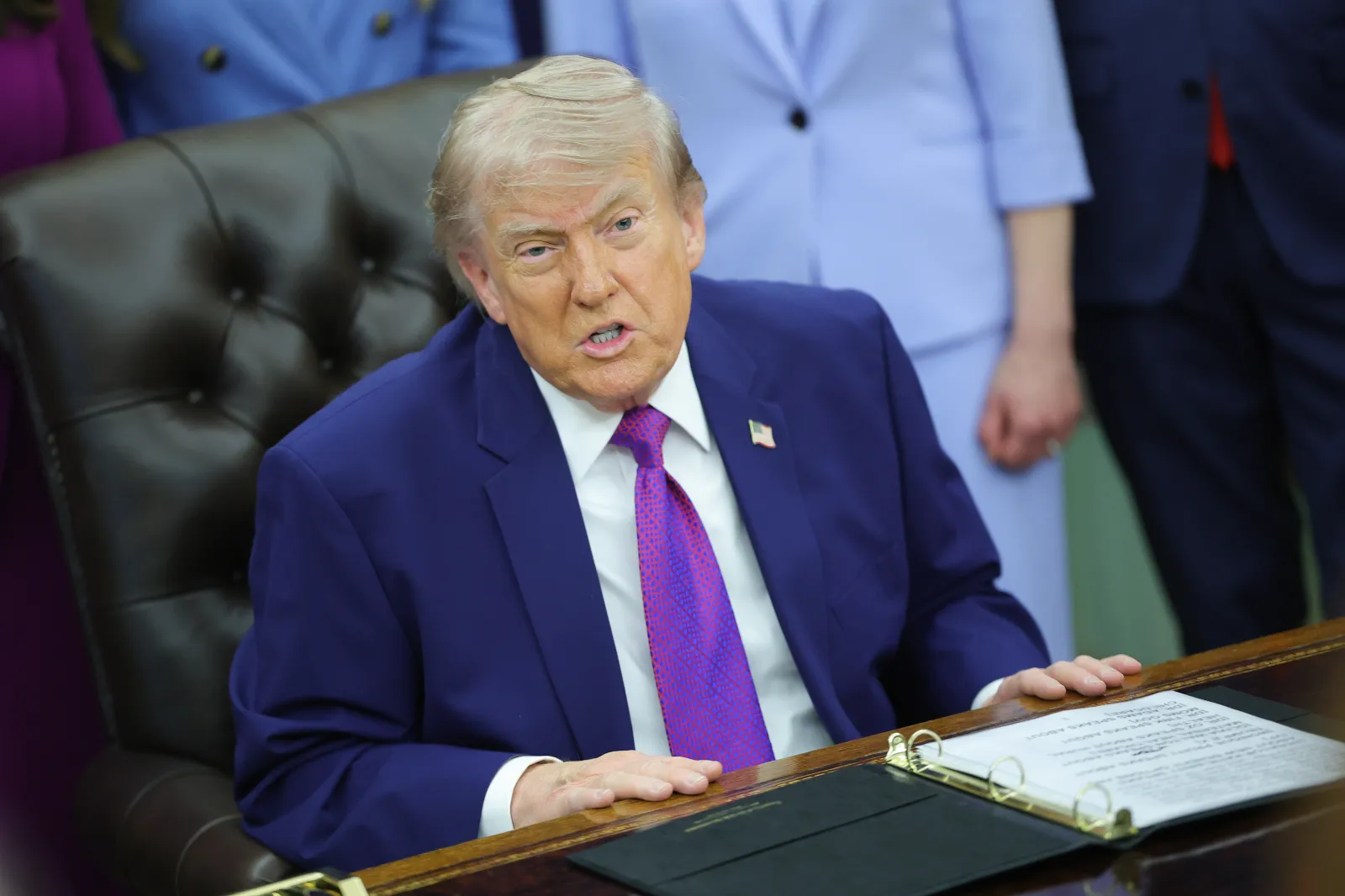
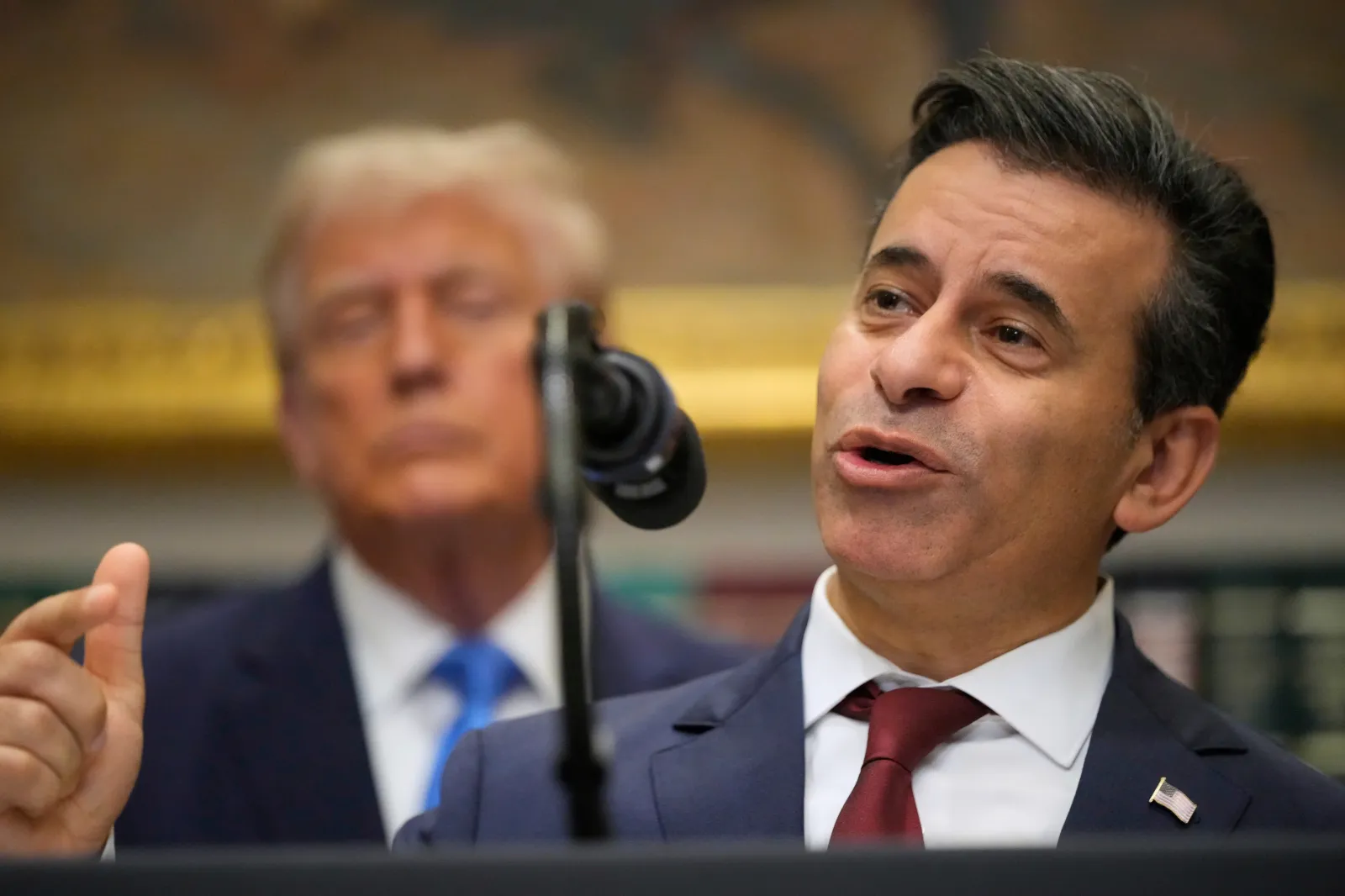
Their decisions have been welcomed by USDA Secretary Brooke Rollins and Health Secretary Robert F. Kennedy Jr.

"It is incredible to see so many states take action at this critical moment in our nation's history and do something to begin to address chronic health problems," Rollins said in a press release issued on August 4.

"President Trump has changed the status quo, and the entire cabinet is taking action to Make America Healthy Again. At USDA, we play a key role in supporting Americans who fall on hard times, and that commitment does not change. Rather, these state waivers promote healthier options for families in need."

"For years, SNAP has used taxpayer dollars to fund soda and candy—products that fuel America's diabetes and chronic disease epidemics," Robert F. Kennedy said after six more states gained approval for restrictions earlier this month, adding that the restrictions help put "real food back at the center of the program."

The number is likely to grow, with several other states also hopping on the bandwagon. South Carolina, Mississippi and Pennsylvania are the latest three to indicate they will seek similar waivers from the USDA.

In Montana and Kentucky, bills were introduced to restrict unhealthy purchases, but these attempts failed.

Reaction

Health advocates have said the bans are failing to address common problems faced by SNAP recipients regarding affordability and access to nutritional foods.

"The idea of restricting the use of food stamp benefits may be appealing, but upon a closer examination, serious concerns emerge regarding the feasibility and rationale for the proposed restriction," Michael Aziz, MD, attending physician at Lenox Hill Hospital in New York, told Newsweek. "Approval may be granted, but real food also costs more money. Eggs can cost more than cereals, and this can lead to this population skipping meals or going hungry.

Related Podcasts